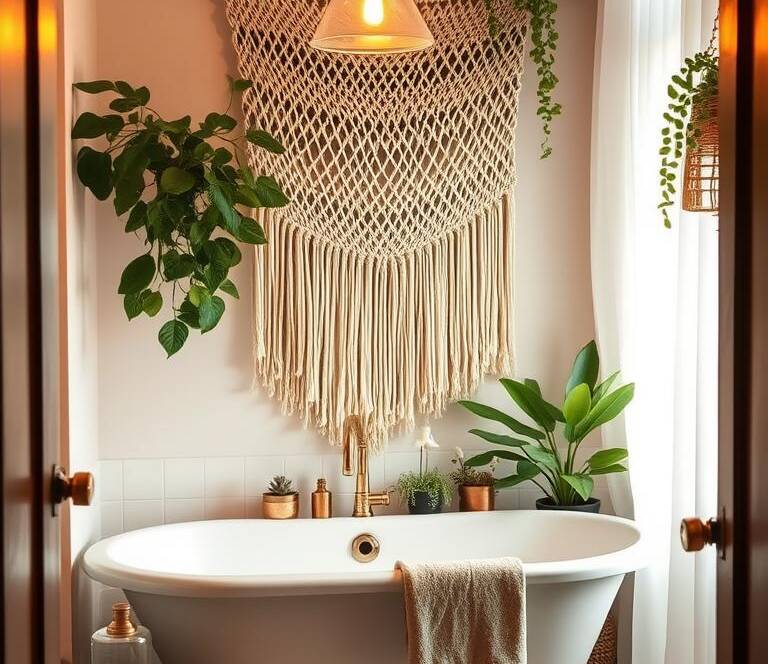
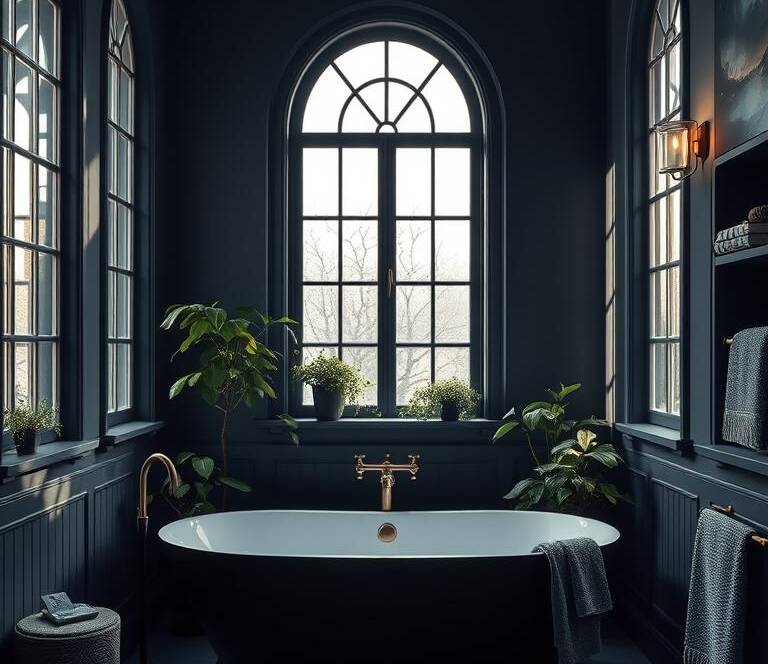
Have you ever considered bringing a touch of nature into your home’s most humid room? I find that adding greenery to this space can transform it into a lush, vibrant oasis. The unique conditions here create a perfect environment for certain plants to flourish.
Unlike other areas, this room often has higher moisture levels from showers. It also tends to have different light conditions. These factors make it ideal for specific types of greenery that love humidity and can handle lower light.

Choosing the right plants is key to success. They can purify the air and add beauty to even small spaces. With proper selection, you can create a relaxing retreat that requires minimal care.
This guide will help you pick perfect plants for your specific conditions. Whether your space gets bright light or stays dim, there are options that will thrive. Let’s explore how to turn your bathroom into a green sanctuary!
Key Takeaways
- Bathrooms provide ideal humidity and moisture levels for many plants
- Proper plant selection is crucial for success in bathroom environments
- Plants can thrive in both low-light and brighter bathroom conditions
- Strategic placement works even in smaller bathroom spaces
- Bathroom plants require less frequent watering due to ambient moisture
- Adding plants creates aesthetic and air-purifying benefits
- The right plants can transform your bathroom into a relaxing oasis
Why I Love Adding Greenery to My Bathroom
Walking into my steamy sanctuary each morning instantly lifts my mood. The transformation began when I introduced my first leafy companion to this space. Now it feels like entering a private jungle retreat right in my home.
These green friends do more than just look pretty. They work hard to clean the air while I relax. Studies show they remove toxins and boost oxygen levels naturally.
My self-care routine became infinitely better with plants around. Their presence turns ordinary moments into peaceful experiences. Showering surrounded by thriving greenery feels like a spa day every morning.
I adore how different leaf textures and colors enhance the room’s design. They add depth to previously plain corners. Even basic fixtures look more interesting when framed by vibrant foliage.
Nothing beats the pride of seeing my green pals flourish in their ideal environment. The humidity and light conditions here suit them perfectly. Their growth reminds me that I’ve created something special.
These living decorations also solve practical problems beautifully. They fill empty spaces that used to feel sterile. Unattractive areas now showcase nature’s beauty instead.
Sharing my plant success stories brings me genuine joy. Friends often ask how I keep everything so lush. Their curiosity makes me appreciate my green oasis even more.
The mental health benefits alone make this transformation worthwhile. Starting each day surrounded by life sets a positive tone. This room went from purely functional to my favorite escape.
How Bathroom Conditions Help Houseplants Thrive
I’ve discovered that this room’s natural conditions are exactly what many tropical plants crave. The warm, moist air mimics their native jungle habitats perfectly. This environment helps them grow lush and healthy with minimal effort.
Steam from showers provides natural hydration for these green friends. They absorb moisture directly from the air through their leaves. This means I water them much less frequently than plants in other rooms.

Consistent temperatures in this space create stable growing conditions. Unlike other areas that experience temperature swings, this room stays relatively even. Plants appreciate this stability and often grow faster as a result.
The enclosed nature of most bathrooms creates perfect microclimates. These small ecosystems trap humidity and maintain ideal moisture levels. Many varieties flourish in these protected environments.
Light conditions here work surprisingly well for numerous species. Even spaces with limited natural illumination can support certain types. North, south, east, or west exposures each suit different plant choices.
Daily routines naturally maintain the perfect moist environment. Regular shower steam keeps humidity levels consistently high. This mimics the tropical conditions many species originally come from.
I’ve noticed reduced watering needs make these green companions lower maintenance. They thrive on the ambient moisture in the air. This makes them perfect for busy people who still want living decor.
Even windowless spaces can support certain varieties with the right care. Artificial lighting solutions can create suitable growing conditions. The high humidity still benefits these plants tremendously.
My Top Picks for Low-Light Bathroom Houseplants
Finding the perfect green companions for dim spaces has been one of my favorite discoveries. Many varieties actually prefer less intense illumination and thrive beautifully.
I’ve tested numerous options in my own space with limited natural light. These selections have proven themselves as reliable performers time and again.

The Cast Iron Plant stands out as my top recommendation for beginners. It tolerates neglect like a champion and handles dim conditions effortlessly.
This resilient beauty needs indirect light indoors to maintain its deep green foliage. I keep the soil moist during spring and summer growth periods.
Winter care involves reducing water frequency significantly. Its toughness makes it ideal for those still learning plant care basics.
Golden Pothos offers incredible versatility with its vining nature. It grows well in medium to higher light but adapts to low light beautifully.
I water mine when the top inch of soil feels dry to the touch. The leaves communicate clearly – yellowing means I’ve been too generous with water.
This plant’s trailing habit makes it perfect for shelves or hanging displays. It adds graceful movement to any space with its cascading growth.
Elephant Ear Plant brings dramatic tropical flair with its large, striking leaves. It grows best in partial sun or partial shade conditions.
I water regularly every couple of days to maintain consistent moisture. Important safety note: this plant proves very poisonous when ingested.
Keep it away from children and pets who might nibble on the foliage. Despite this caution, its visual impact makes it worth the extra care.
Dancing Bones Cactus surprised me with its love for humid conditions. Despite being a cactus, it thrives in bathroom moisture levels.
It prefers indirect light and protection from harsh afternoon sun. I water regularly during growing season but never let the soil become soggy.
This unusual option adds textural interest with its unique segmented growth pattern. It’s conversation starter that defies typical cactus expectations.
Additional excellent choices include Spade Leaf Philodendron and Mantara (Prayer Plant). Spider Plant and Dieffenbachia also perform wonderfully.
Each offers unique leaf patterns and growth habits to suit different preferences. They all share the ability to flourish with limited light access.
Placement ideas vary based on each plant’s growth pattern and size. Smaller varieties work well on countertops or narrow shelves.
Larger specimens make beautiful floor statements in corners or near fixtures. Consider growth patterns when choosing permanent locations.
| Plant Variety | Light Requirements | Watering Schedule | Special Care Notes |
|---|---|---|---|
| Cast Iron Plant | Low to indirect light | Keep moist spring/summer, reduce winter | Extremely tolerant of neglect |
| Golden Pothos | Tolerates low light | When top inch soil dry | Yellow leaves indicate overwatering |
| Elephant Ear Plant | Partial sun/shade | Every couple days | Very poisonous if ingested |
| Dancing Bones Cactus | Indirect light | Regular during growth, never soggy | Protect from afternoon sun |
| Spider Plant | Low to bright indirect | When soil surface dry | Produces plantlets for easy propagation |
| Dieffenbachia | Low to medium light | When top soil dry | Toxic sap – handle with care |
I’ve found success by observing each plant’s response to its environment. Leaves often tell the story of what adjustments might be needed.
Drooping or yellowing foliage usually signals watering issues. Brown tips might indicate humidity problems or mineral buildup.
Each variety has taught me something new about plant communication. Their growth patterns help me understand their happiness levels.
My experience shows that even challenging light conditions can support lush greenery. The right plant choices make all the difference in success rates.
These varieties have transformed my dimmest corners into vibrant green spaces. They prove that limited light doesn’t mean limited possibilities.
Bright and Sunny Bathroom Houseplants That Shine
When sunlight streams through my bathroom window, it creates the perfect stage for some truly spectacular green performers. These sun-loving varieties transform bright spaces into lush, tropical retreats.
I’ve discovered that certain species absolutely thrive with ample natural illumination. Their vibrant colors and dramatic growth patterns make them standout additions.
The Pitcher Plant stands out as my most fascinating sun-loving choice. This carnivorous beauty needs full direct sunlight to develop its unique trapping mechanisms.
I keep its soil well-drained but consistently damp. The high humidity helps it flourish while naturally controlling insects.

Chinese Money Plant brings beautiful circular leaves to sunny spots. It prefers bright indirect light near a window but avoids harsh direct sun that can scorch its foliage.
I rotate mine 2-4 times weekly to ensure even growth. Allowing the soil to dry between waterings keeps it healthy while boosting oxygen flow.
Mediterranean Palm adds instant tropical elegance with its graceful fronds. It thrives in bright sunlight positioned close to a window.
I maintain moist soil during most seasons and mist daily for optimal growth. This routine keeps its leaves vibrant and healthy.
Air Plants offer unique soil-free options for sunny locations. They prefer plenty of bright light and absorb moisture directly from the air.
I soak mine in a shallow dish of water every 2-3 weeks for about 12 hours. Faux options are available for those wanting minimal maintenance.
Additional excellent choices include Dancing Lady Orchid with its vanilla scent. Ground-Ivy from the mint family provides aromatic greenery.
Pothos Ivy adapts well to various light conditions including bright spaces. Each offers unique textures and growth habits.
Proper window placement maximizes light exposure for these sun-loving varieties. South-facing windows provide the most consistent illumination throughout the day.
East-facing locations offer gentle morning light. West-facing spots receive warmer afternoon sun that some varieties prefer.
Watering needs vary significantly between these different types. Pitcher Plants require consistently damp conditions to thrive.
Chinese Money Plants need drying periods between waterings. Mediterranean Palms prefer consistently moist soil with daily misting.
Signs of overwatering include yellowing leaves and soggy soil. Underwatered plants show drooping foliage and dry potting mix.
I maintain vibrant foliage by providing appropriate light levels for each type. Regular rotation prevents uneven growth toward light sources.
Encouraging blooms involves meeting specific light and moisture requirements. Some varieties flower more readily with slightly root-bound conditions.
Companion planting creates stunning displays by combining different textures and heights. I often pair upright growers with trailing varieties for visual interest.
Grouping plants with similar light and water needs simplifies care routines. This approach ensures all green companions receive what they need to thrive.
These sun-loving varieties have transformed my brightest spaces into beautiful indoor gardens. Their dramatic presence makes every day feel like a tropical getaway.
Solutions for Bathrooms With No Natural Light
Dark spaces don’t have to mean empty spaces when it comes to greenery. I’ve found wonderful alternatives that bring life to windowless rooms. These options create beautiful displays without needing sunlight.
Fresh eucalyptus stems became my favorite solution for dark corners. They fill the air with a minty fresh aroma that lasts for days. Their natural scent works as an effective insect repellent too.
I place cut stems in a vase with water for about one week. After that, they dry beautifully in an empty container. The dried versions maintain their shape and fragrance for months.

Faux options have improved dramatically in recent years. Modern artificial plants look incredibly realistic from any distance. They provide permanent greenery without any light requirements.
I mix different faux varieties to create lush arrangements. Some mimic tropical foliage while others resemble flowering species. The best part is they need zero maintenance beyond occasional dusting.
Dried flower arrangements offer another artistic alternative. They add wonderful texture and color to any space. I love how they maintain their beauty without water or special conditions.
Preserved plants maintain their real appearance indefinitely. They undergo special treatments to keep their natural look. These require no light or watering yet stay perfectly vibrant.
I enjoy rotating fresh cuttings weekly to maintain vibrant displays. This keeps the space feeling alive and changing. Different seasonal stems bring variety throughout the year.
Combining faux and real elements creates realistic-looking arrangements. I often use artificial bases with real decorative accents. This approach gives the best of both worlds.
Cleaning faux plants in humid conditions is simple. I wipe them gently with a damp cloth every few weeks. This prevents dust buildup and keeps them looking fresh.
Creative display ideas work wonderfully in windowless spaces. Wall mounts and hanging installations save valuable counter space. They draw the eye upward and create vertical interest.
Floating shelves can showcase smaller artificial arrangements. Corner stands hold taller faux trees beautifully. Every unused space becomes an opportunity for greenery.
Even the darkest room can feel alive with these solutions. The right choices transform challenging conditions into design opportunities. Your space can still enjoy nature’s beauty without natural light.
My Essential Care Tips for Bathroom Houseplants
Keeping your green companions thriving requires understanding their unique needs. I’ve developed simple routines that ensure my plants stay healthy and beautiful.
Testing soil moisture is my first step before any watering. I push my finger about two inches into the potting mix. If it feels dry at that depth, it’s time to water.
Humid environments change everything about watering schedules. The moist air means soil stays damp longer than in other rooms.

Overwatering shows through yellow leaves and soggy soil. Underwatered plants have dry, crispy leaves and drooping stems. Both conditions can harm your green friends.
I water thoroughly until liquid drains from the bottom. Then I empty the drainage tray to prevent root rot. This method ensures deep hydration without waterlogging.
For hanging baskets, I use a clever trick. A plastic tray placed beneath the container catches excess water. This avoids the hassle of removing the entire arrangement.
Healthy soil is the foundation of plant health. I refresh potting mix every 12-18 months to maintain nutrients. Repotting becomes necessary when roots circle the container.
Pruning keeps plants looking their best. I trim dead or damaged leaves with clean scissors. Cutting just above leaf nodes encourages bushier growth.
Clean leaves maximize light absorption in dim spaces. I gently wipe them with a damp cloth every few weeks. This removes dust and helps photosynthesis.
Fertilizing follows a seasonal pattern. I feed my plants every 4-6 weeks during spring and summer. Growth slows in fall and winter, so I reduce feeding.
Humid environments can attract pests like fungus gnats. I inspect leaves regularly for signs of trouble. Early detection makes treatment much easier.
Seasonal changes affect bathroom conditions significantly. Winter heating reduces humidity, while summer brings more moisture. I adjust my care routine accordingly.
Propagation lets me expand my green collection easily. Many plants grow from stem cuttings placed in water. Once roots develop, I transfer them to soil.
Consistent observation is the key to successful plant care. Notice how your green companions respond to their environment. They’ll show you exactly what they need to thrive.
These simple practices have transformed my plant maintenance. What seemed complicated became second nature with practice. Your green oasis will flourish with these care tips.
Creative Ways to Style Plants in Your Bathroom
Creative plant arrangements have completely transformed how I experience my daily routine. The right placement turns functional areas into beautiful green spaces that uplift my mood every time I enter.
I love using tiered plant stands to maximize vertical space. These clever solutions create multiple levels for displaying different varieties without crowding the floor. They’re perfect for small rooms where every inch counts.

Hanging plants from ceilings or shower rods adds wonderful dimension to any space. I use macramé hangers for trailing varieties that create lush, cascading displays. This approach draws the eye upward and makes the room feel larger.
Baskets and decorative pots solve practical drainage needs while adding style. I place plastic trays at the bottom of baskets to catch excess water. This lets me water without removing the container from its decorative cover.
Window sill gardening maximizes limited space beautifully. I group small pots together to create mini gardens that catch available light. Even narrow ledges can hold several plants when arranged thoughtfully.
Grouping plants with varying heights and textures creates visual interest. I combine tall, upright specimens with medium and trailing varieties. This layered approach makes the display feel lush and professionally designed.
Incorporating greenery around tub areas and shower spaces adds spa-like luxury. I use moisture-loving plants on ledges and corners near water sources. Their foliage thrives in the steamy environment while enhancing relaxation.
Floating shelves provide display space without sacrificing counter area. I install them at different heights to create dynamic arrangements. This keeps surfaces clear while still showcasing beautiful plants.
Coordinating containers with existing decor creates a cohesive look throughout the room. I choose pots that complement my color scheme and style. This attention to detail makes the space feel intentionally designed.
Seasonal rotations keep my displays fresh and interesting throughout the year. I switch out flowering varieties and adjust arrangements with the changing seasons. This simple practice maintains visual appeal year-round.
Statement plants in strategic locations create stunning focal points. I place larger specimens in corners or near mirrors where they command attention. These anchor plants set the tone for the entire space.
Small decorative touches like countertop catch-alls and coordinated linens complete the look. These elements tie everything together for a polished, intentional appearance. The overall effect feels both luxurious and naturally beautiful.
Creative styling has taught me that any space can become a green sanctuary. With thoughtful arrangement and practical solutions, even challenging areas can support beautiful plant displays. The results transform daily routines into luxurious experiences.
Important Safety Considerations for Pet Owners
Creating a safe environment for both plants and pets has been my top priority when designing my green space. I learned that some beautiful varieties can pose serious risks to curious animals. Proper research and placement make all the difference in keeping everyone safe.
Several common choices contain toxins that affect pets differently. Elephant Ear varieties contain calcium oxalate crystals that cause mouth irritation. Dieffenbachia’s sap can swell airways if ingested by cats or dogs.
Peace Lilies bring beautiful white blooms but contain irritating substances. Pothos varieties cause oral pain and digestive issues when nibbled. Even lovely Aloe Vera can upset animal stomachs despite its human benefits.

Identifying potentially dangerous varieties requires reliable resources. I always check the ASPCA’s comprehensive toxic plant database before purchasing. Local veterinary offices often provide printed guides about regional hazardous plants.
Placement strategies help prevent accidental interactions with toxic varieties. I keep potentially dangerous plants on high shelves or hanging planters. Closed cabinets with glass doors allow display while restricting access.
Many non-toxic alternatives provide similar aesthetic benefits safely. Spider Plants offer beautiful arching leaves without toxicity concerns. Boston Ferns create lush greenery that’s completely pet-friendly.
Areca Palms bring tropical elegance without endangering animals. Peperomia varieties offer diverse leaf shapes and patterns safely. These alternatives ensure beautiful displays without worry.
Recognizing poisoning symptoms helps with quick response. Look for vomiting, diarrhea, or excessive drooling in pets. Pawing at the mouth or difficulty breathing requires immediate attention.
Emergency response involves contacting your veterinarian or animal poison control immediately. Keep the plant’s name available for accurate identification. Don’t induce vomiting unless directed by professionals.
Pet-proofing strategies maintain beautiful displays while ensuring safety. I use decorative cages or mesh covers around floor plants. Bitter apple sprays on leaves discourage chewing attempts.
Training techniques help pets understand boundaries around plants. Consistent redirection teaches them to avoid certain areas. Positive reinforcement rewards ignoring the greenery.
Physical barriers create effective separation when needed. Baby gates restrict access to plant-filled rooms when unsupervised. Clear acrylic shields protect lower-level displays from curious noses.
Always verify safety information through multiple sources before bringing plants home. Cross-reference university agricultural extensions with veterinary resources. Local plant nurseries often provide safety guidance specific to your region.
Creating a safe green space brings peace of mind alongside natural beauty. With careful selection and strategic placement, both plants and pets can thrive together. Your home can enjoy lush greenery without compromising animal safety.
Where I Find the Best Bathroom Houseplants
Finding the perfect green companions starts with knowing where to look. I’ve explored numerous sources over the years and discovered some fantastic options.
Local nurseries remain my top choice for quality greenery. Their staff understands regional growing conditions perfectly. They can recommend varieties that thrive in specific humidity levels.
These experts know which plants handle steamy environments best. They share valuable tips about light requirements and watering needs. Their knowledge comes from hands-on experience with local climates.

Hardware store garden centers offer convenient alternatives. Their selection includes popular varieties that adapt well to indoor conditions. I always check their arrival days for freshest options.
Online services like Bloomscape changed how I shop for greenery. They deliver mature, pre-potted plants with detailed care instructions. Their unique packaging uses recycled materials for sustainability.
The 30-day guarantee provides peace of mind with every purchase. Their Grow-How® Team offers ongoing support for any questions. This service perfects for busy plant enthusiasts.
Selecting healthy specimens requires careful inspection. I examine leaves for vibrant color and firm texture. Avoid plants with yellowing or spotted foliage.
Checking the soil condition tells important stories. Moist but not soggy potting mix indicates proper watering. Compacted or dry soil suggests neglect.
Transporting new additions home needs gentle handling. I protect them from temperature extremes during travel. Secure placement prevents tipping and damage.
Mature plants establish faster in humid environments. They adapt more quickly to bathroom conditions than starters. Their developed root systems handle moisture fluctuations better.
Seasonal availability affects certain varieties. Tropical plants often arrive during warmer months. I plan my purchases around optimal planting times.
Asking nursery staff specific questions yields great results. I inquire about light requirements near windows. Humidity tolerance becomes my key consideration.
My experiences taught me that source quality matters tremendously. Healthy beginnings lead to thriving green companions. The right choices transform any space beautifully.
Conclusion: Transforming Your Bathroom Into a Green Oasis
Bringing greenery into your space creates a beautiful, natural retreat. The right plants thrive in humid conditions with minimal effort.
Start with one or two easy-care varieties. Watch how they transform your daily routine into a spa-like experience.
Consider your light levels and space when selecting. Low-maintenance options work best for beginners.
Experiment with different arrangements and types. The joy of seeing your green companions flourish is incredibly rewarding.
Your space becomes a living sanctuary that purifies the air and uplifts your mood. Each new leaf brings satisfaction and connection to nature.