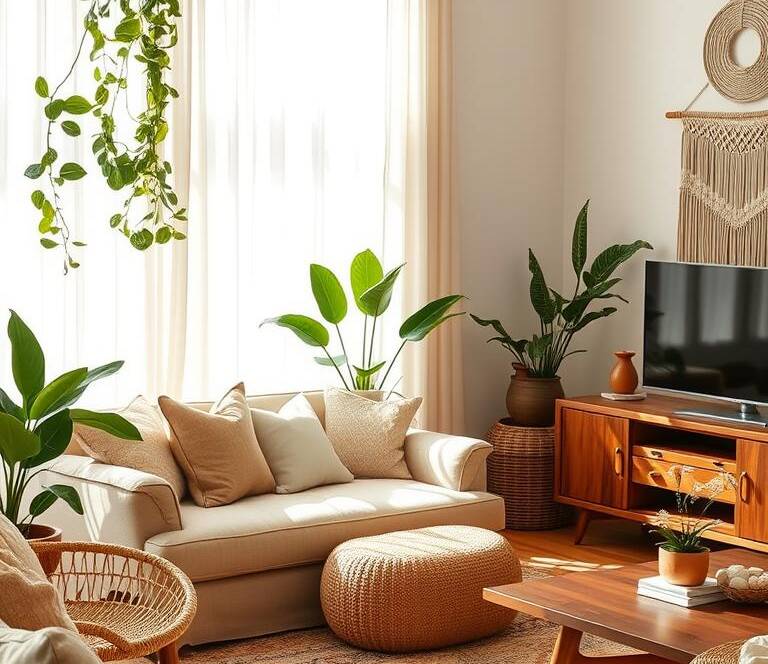
I want to introduce you to a beautiful fusion of styles. It combines Japanese minimalism with Scandinavian comfort. This blend creates spaces that feel both serene and inviting.
This approach merges two powerful philosophies. Japanese wabi-sabi celebrates imperfection. Scandinavian hygge emphasizes coziness. Together they form a harmonious interior design.

I find this style perfect for modern homes. It uses neutral colors and natural materials. The result is a calming space that promotes wellbeing.
This guide will show you how to create your own sanctuary. You’ll learn to blend Eastern and Western traditions. We’ll explore sustainable choices that make your room beautiful and conscious.
Key Takeaways
- Japandi design blends Japanese minimalism with Scandinavian comfort
- This style focuses on natural materials and neutral color palettes
- It combines wabi-sabi (embracing imperfection) and hygge (coziness)
- The approach creates calm, cohesive spaces perfect for modern living
- Japandi interior design is both aesthetically pleasing and sustainable
- Living rooms are ideal for this aesthetic due to their focus on comfort
- The style represents a harmonious meeting of Eastern and Western traditions
What is Japandi Design and Why It’s Perfect for Your Living Room
Imagine walking into a space that feels both serene and welcoming. That’s the magic of this blended aesthetic. It brings together two powerful design philosophies from different parts of the world.
Japanese wabi-sabi finds beauty in natural imperfections. Scandinavian hygge celebrates cozy comfort. When these ideas merge, they create something truly special for modern homes.
This approach focuses on clean lines and simple forms. It uses natural materials like wood and linen. The result feels intentional yet comfortable.
I love how this style avoids the coldness of some minimalist spaces. It adds warmth through textures and organic elements. Your environment becomes a true sanctuary.
The “less is more” philosophy guides every choice. Each piece serves a purpose while contributing to the overall harmony. Nothing feels unnecessary or out of place.
This design approach creates positive energy and calmness. It transforms ordinary areas into peaceful retreats. You’ll notice how the atmosphere affects your mood.
Many people think minimalist means sterile or uncomfortable. This blended style proves otherwise. It offers balance between simplicity and warmth.
I’ve seen how this aesthetic changes how people use their homes. It encourages mindfulness and appreciation for quality. Your space becomes more than just decoration.
This foundation sets the stage for creating your perfect retreat. The following sections will guide you through each element. You’ll learn how to achieve this beautiful balance.
Understanding the Core Philosophy Behind Japandi Design
What truly sets this aesthetic apart is the thoughtful marriage of two distinct cultural philosophies. I find this blend creates spaces that honor both tradition and modern comfort.
Wabi-sabi comes from Japanese wisdom. It teaches us to find beauty in imperfection. This philosophy celebrates natural aging and simple authenticity.
Scandinavian hygge focuses on cozy contentment. It values warmth and comfortable atmospheres. Together they form a complete approach to living well.

Both traditions share deep respect for craftsmanship. They value quality over quantity in every piece. This focus ensures each item serves a purpose with beauty.
Natural materials play a crucial role in this design. Wood, stone, and linen connect us to the natural world. They bring organic textures that feel both grounding and comforting.
I appreciate how these philosophies support mindfulness. They encourage us to slow down and appreciate simple moments. Your space becomes a sanctuary for peaceful living.
The historical connection between these styles makes sense. Both cultures have long valued functional beauty and natural harmony. Their shared values create a seamless blend.
This approach transforms how we experience our homes. It’s not just about how things look but how they make us feel. The result is a space that nurtures wellbeing every day.
Understanding this deeper philosophy helps make intentional choices. You’ll see why certain materials and layouts work so well together. This knowledge empowers you to create authentic spaces.
Starting with the Right Foundation: Your Color Palette
Color creates the first impression and sets the emotional tone of your environment. I always begin with a thoughtful palette that balances Scandinavian and Japanese influences.
The ideal neutral color palette combines cool grays with warm earthy tones. Think soft whites, gentle beiges, and light grays as your foundation. These shades create a calm backdrop that feels both clean and inviting.

Add depth with darker accents like charcoal or deep brown. Use these sparingly for contrast without overwhelming the space. The trick is creating visual interest while maintaining overall harmony.
For subtle color, consider muted greens, soft blues, or blush pinks. These gentle hues add personality without disrupting the serene atmosphere. They bring just enough warmth to enhance the comfort of your space.
I recommend testing colors in your actual environment before committing. Natural light changes how colors appear throughout the day. Sample several options to see how they feel in different lighting conditions.
Your wall color should complement your trim for cohesive flow. Typically, lighter walls with slightly darker trim create beautiful definition. This approach maintains the softness while adding architectural interest.
Remember that your palette sets the stage for all other elements. Furniture, textiles, and decor should harmonize with your chosen tones. This creates the cohesive feel that defines this aesthetic.
The right colors promote relaxation and wellbeing in your home. They establish the calming atmosphere that makes spaces truly special. Your choices directly impact the mood and energy of your environment.
The Importance of Natural Materials in Japandi Design
The foundation of authentic design lies in the materials you choose. Natural elements bring a sense of connection to the earth that synthetic alternatives cannot match. They create spaces that feel grounded and peaceful.
I believe natural materials form the heart of this aesthetic. Wood, stone, and organic textiles work together to create harmony. Each piece tells a story of craftsmanship and connection to nature.
Scandinavian traditions often feature light wood tones like oak and ash. Japanese influences bring darker woods such as walnut and teak. Blending these creates beautiful visual interest.

Stone elements add wonderful texture and permanence. Consider a slate coffee table or marble accents. These pieces bring earthy tones and natural variation.
Bamboo offers sustainable beauty with its rapid growth cycle. Use it for blinds, trays, or decorative objects. Its light color and vertical grain pattern add visual interest.
Natural fabrics like linen and wool complete the look. They add softness and warmth to harder surfaces. These textiles age beautifully, developing character over time.
Quality craftsmanship shows in every detail of handcrafted pieces. Look for dovetail joints in furniture and hand-forged metal accents. These details reveal the maker’s skill and care.
Materials develop a beautiful patina with age. Wood gains deeper color and character. Stone surfaces become smoother and more luminous.
Mixing different materials requires thoughtful balance. Stick to a limited palette of three to four main materials. This prevents visual chaos while maintaining interest.
Sustainable sourcing matters for environmental responsibility. Choose reclaimed wood and locally sourced stone when possible. These choices honor the planet while creating beauty.
Natural elements contribute to a warm, authentic feel. They connect us to the outdoors and create calming energy. Your space becomes a true sanctuary for daily life.
| Material Type | Best Uses | Visual Characteristics | Maintenance Level |
|---|---|---|---|
| Light Wood (Oak, Ash) | Flooring, larger furniture | Bright, airy, Scandinavian feel | Moderate (needs occasional sealing) |
| Dark Wood (Walnut, Teak) | Accent pieces, tables | Rich, warm, Japanese influence | Low (naturally durable) |
| Natural Stone | Countertops, fireplace surrounds | Textured, unique patterns | High (requires regular sealing) |
| Bamboo | Decorative items, window treatments | Light, vertical grain, sustainable | Low (easy to clean) |
| Linen & Wool | Textiles, upholstery | Soft, textured, natural drape | Moderate (special cleaning care) |
Balancing these elements creates a cohesive environment. Let one material dominate while others play supporting roles. This approach maintains visual harmony throughout your space.
The right combination of materials transforms ordinary areas. They create tactile experiences that engage all senses. Your home becomes a reflection of thoughtful, natural beauty.
Creating a Clutter-Free Space: The Minimalist Approach
True freedom in design comes from knowing what to leave out, not just what to put in. I find this mindset transforms how we experience our homes. It creates environments that support rather than overwhelm.
Minimalism in this context means intentional simplicity. Every item must serve a purpose or bring genuine joy. This approach eliminates visual noise and creates peaceful atmosphere.

Start by assessing what truly deserves space in your rooms. Ask yourself if each piece enhances your daily life. Remove anything that doesn’t contribute to your comfort or functionality.
Negative space plays a crucial role in this aesthetic. It allows your eyes to rest and appreciate the beautiful elements. This emptiness actually makes the room feel larger and more serene.
I use a simple editing process for my own space. I remove everything then only return essential items. This reveals what I truly need versus what just occupies space.
Quality storage solutions maintain the clean aesthetic while keeping essentials accessible. Choose closed storage that hides clutter but remains functional. Beautiful baskets and minimalist cabinets work perfectly.
Many people struggle with sentimental items when adopting this approach. I keep only the most meaningful pieces that align with the decor. Display them intentionally rather than crowding surfaces.
Clutter-free environments promote mental clarity and relaxation. They reduce visual stress and create calming energy. Your home becomes a true sanctuary from busy modern life.
Maintaining this simplicity requires developing new habits. I do a quick daily tidy-up and weekly deeper assessment. This prevents accumulation and keeps the space feeling fresh.
Remember that minimalism serves your comfort and peace. It’s not about empty rooms but about meaningful pieces. Your space should reflect what matters most in your life.
Selecting Furniture for Your Japandi Living Room
Your seating and surfaces create the foundation for daily comfort and visual harmony. I find this balance makes spaces both beautiful and genuinely livable.
Low-profile pieces connect you to the ground, following Japanese tradition. This approach creates an intimate, grounded feeling in your environment. It makes spaces feel more open and peaceful.
Choose furniture with clean lines and purposeful shapes. Each piece should serve a clear function while contributing to the overall aesthetic. Nothing should feel unnecessary or purely decorative.

Natural materials remain essential for authentic design. Look for wood, bamboo, or stone constructions. These elements bring warmth and organic texture to your space.
I recommend a low-profile wooden sofa with simple cushions. This provides comfort without overwhelming the room’s visual flow. Add a sleek Scandinavian armchair for variety in seating options.
Multi-functional furniture works beautifully in smaller spaces. Consider storage ottomans or nesting tables that serve multiple purposes. These smart solutions maintain cleanliness while maximizing utility.
When mixing styles, focus on shared design principles. Both traditions value craftsmanship and natural materials. Look for pieces that honor these common values rather than matching specific origins.
Proportion and scale matter greatly in furniture selection. Oversized pieces can disrupt the delicate balance. Choose items that fit your space without crowding the atmosphere.
Your coffee table should complement other elements in height and material. A simple wooden table or stone surface works perfectly. Keep the design minimal to maintain visual calm.
Arrange furniture to create natural conversation areas. Allow for easy movement between pieces. This flow encourages both social interaction and personal relaxation.
Avoid overcrowding with too many pieces. Leave adequate negative space around each item. This emptiness actually enhances the feeling of tranquility.
Common mistakes include choosing pieces that are too ornate or bulky. Stick to simple forms and natural finishes. Your selections should feel intentional rather than accidental.
The right furniture transforms how you experience your home. It creates both physical comfort and visual peace. Your space becomes a true sanctuary for daily life.
Maximizing Natural Light in Your Space
Sunlight transforms ordinary areas into uplifting environments that breathe with life. I consider natural illumination the most beautiful design element available to us. It connects indoor spaces with the outdoor world in the most magical way.
This connection to nature lies at the heart of authentic design philosophy. Large, unadorned windows serve as perfect bridges between inside and outside. They allow soft light to filter through while maintaining visual harmony.

Window placement dramatically affects how light moves through your rooms. South-facing openings receive consistent daylight throughout the day. North-facing ones provide softer, more diffused illumination that feels incredibly peaceful.
I recommend these practical strategies for enhancing natural light:
- Choose sheer curtains that gently filter sunlight without blocking it
- Position mirrors opposite windows to reflect and amplify light
- Keep window glass clean to maximize light transmission
- Use light-colored walls that bounce illumination throughout the space
- Trim outdoor foliage that might obstruct valuable sunlight
Different times of day create unique lighting qualities worth considering. Morning light feels fresh and energizing with its cool blue tones. Afternoon illumination brings warm golden hues that enhance coziness.
Light-colored walls act as natural reflectors that distribute illumination evenly. Bright white surfaces work particularly well for this purpose. They make spaces feel larger and more open while maintaining calmness.
Some areas present challenges with limited natural access to sunlight. For these spaces, I suggest using strategically placed mirrors. Light-colored furniture and reflective surfaces also help brighten darker corners.
The relationship between light and color choices deserves special attention. Lighter wall colors maximize brightness while darker accents create depth. This balance maintains visual interest without sacrificing illumination.
Window treatments should enhance rather than obstruct natural light. Roman shades or simple roller blinds offer excellent control options. They provide privacy when needed while allowing maximum light penetration.
Creating a bright, airy atmosphere supports overall wellbeing. It improves mood and creates energy that feels both calming and uplifting. Your space becomes a true sanctuary that changes beautifully throughout the day.
Incorporating Greenery and Natural Elements
Bringing living plants into your home creates an immediate connection to the natural world that nothing else can match. I consider greenery essential for completing the harmonious balance of this aesthetic. Plants add soul to simplicity while maintaining clean lines.
Living greenery serves multiple purposes in minimalist spaces. They purify air while adding organic texture and movement. Their presence makes environments feel more alive and connected to nature.

Choose plants that complement rather than overwhelm your space. Large-leaf varieties like Monstera or Fiddle Leaf Fig make beautiful statements. Smaller options like snake plants or pothos work well in limited areas.
Consider your light conditions when selecting greenery. South-facing windows suit most tropical plants needing bright light. North-facing areas work better for low-light tolerant species like ZZ plants.
Handmade planters in natural materials enhance the organic feel of your decor. Terracotta pots develop beautiful patina over time. Stoneware containers offer earthy textures that align with natural principles.
Display methods should maintain the clean aesthetic. Single statement plants often work better than multiple small ones. Group two or three complementary varieties for visual interest without clutter.
Creative placement enhances your overall design. Hang macrame planters to add vertical interest. Use wooden stands to elevate plants at different heights. Floating shelves create beautiful green displays.
Plant care should support the uncluttered look. Regular pruning maintains clean shapes and controlled growth. Remove dead leaves promptly to keep plants looking vibrant.
Air-purifying benefits make plants practical additions. Species like peace lilies and spider plants filter indoor pollutants. They contribute to healthier living environments while adding beauty.
Busy households can choose low-maintenance options. Succulents and cacti require minimal watering. Bamboo grows happily in water with little attention.
Greenery completes the biophilic connection in your design. It brings the outdoors inside in the most authentic way. Your space will feel truly connected to the natural world.
Even a few stems can transform the feel of a room. Simple cuttings in water vessels add life without commitment. Small touches make big impacts in minimalist spaces.
The right plants become living pieces of art in your home. They evolve and grow alongside your daily life. This dynamic quality makes spaces feel truly alive.
Lighting Strategies for Evening Ambiance
When the sun sets, your lighting choices determine whether your space feels warm and inviting or cold and sterile. I believe evening illumination requires a different approach than daytime lighting. It should create comfort and warmth rather than just visibility.
The transition from natural to artificial light needs careful planning. Start by considering how you use your space in the evening. Different activities require different lighting intensities and placements.

Floor lamps with simple, clean designs work beautifully for evening settings. Choose models made from light, airy materials that don’t feel heavy. Their soft glow creates pools of light that feel cozy and intimate.
Pendant lights crafted from natural materials add wonderful character. Wood and paper fixtures diffuse light gently throughout the space. They become both functional pieces and decorative elements in your design.
Rice paper lanterns have been staples in Japanese decor for centuries. Many designers now create modern interpretations of these traditional lights. They offer soft, diffused illumination that feels incredibly peaceful.
Layered lighting creates the most inviting evening atmosphere. Combine different sources at various heights and intensities. This approach allows you to adjust the mood for different occasions.
Dimmable lighting gives you complete control over your evening ambiance. You can create bright light for reading or soft glow for relaxation. This flexibility makes your space adaptable to any mood or activity.
Bulb color temperature dramatically affects how your space feels after dark. Warm white bulbs (2700K-3000K) create the coziest atmosphere. They mimic the warm glow of sunset rather than harsh daylight.
Smart lighting systems can enhance your evening experience. Program different scenes for various times and activities. You can create preset lighting combinations with just a tap on your phone.
Lighting should serve both functional and decorative purposes. Beautiful fixtures become art pieces when not in use. They contribute to your overall aesthetic even when turned off.
The right evening lighting transforms how you experience your home after dark. It creates spaces that feel just as welcoming at night as during daylight hours. Your environment becomes a true sanctuary for evening relaxation.
| Lighting Type | Best Placement | Atmosphere Created | Ideal Bulb Temperature |
|---|---|---|---|
| Floor Lamps | Reading corners, beside seating | Focused task lighting with cozy pools | 2700K-3000K warm white |
| Pendant Lights | Over tables, in entryways | General ambient illumination | 3000K soft white |
| Paper Lanterns | Centered in rooms, grouped | Soft, diffused romantic glow | 2700K warm white |
| Wall Sconces | Hallways, beside artwork | Accent lighting with warmth | 3000K soft white |
| Table Lamps | Side tables, consoles | Intimate, localized comfort | 2700K warm white |
Evening lighting should feel like a natural extension of your daytime space. It maintains the same principles of simplicity and natural materials. The difference lies in the warmth and intimacy it creates after dark.
Experiment with different combinations to find what works best. Your evening lighting should reflect how you want to feel in your space. It becomes an essential element of your daily comfort and relaxation routine.
Textiles and Soft Furnishings for Comfort
The tactile experience of your space begins with the textiles you choose. I believe fabrics transform minimalist environments into truly welcoming retreats. They add essential warmth that balances clean lines.
Natural materials form the foundation of authentic design. Linen and wool should be your baseline choices. These fabrics bring organic texture while maintaining visual simplicity.

Layering textiles requires thoughtful balance. Start with larger pieces like curtains and rugs. Add smaller elements like throw pillows for depth.
Quality textiles enhance both visual appeal and physical comfort in your environment. They create spaces that feel inviting through multiple senses. The right fabrics make you want to relax and stay awhile.
Rug selection deserves special attention. A soft, shaggy option adds wonderful warmth underfoot. It contrasts beautifully with minimalist furniture’s clean lines.
Consider these natural textile options for different applications:
| Textile Type | Best Uses | Texture Quality | Maintenance Level |
|---|---|---|---|
| Linen | Curtains, upholstery, bedding | Breathable, slightly textured | Moderate (wrinkles easily) |
| Wool | Rugs, blankets, throw pillows | Soft, insulating, durable | Low (naturally stain-resistant) |
| Cotton | Slipcovers, lighter textiles | Smooth, versatile, soft | Easy (machine washable) |
| Hemp | Durable textiles, baskets | Textured, sturdy, earthy | Low (becomes softer with use) |
| Silk | Accent pillows, decorative throws | Luxurious, smooth, delicate | High (dry clean only) |
Throw pillows and blankets should add texture without overwhelming. Choose two to three complementary pieces maximum. This maintains the clean aesthetic while adding comfort.
Mixing patterns requires careful consideration. Stick to subtle textures rather than bold prints. Natural variations in fabric provide enough visual interest.
The tactile quality of textiles creates inviting environments. Rough linen contrasts with smooth wool beautifully. These combinations engage your sense of touch.
Seasonal changes keep your space comfortable year-round. Lightweight linen works well for warmer months. Wool blankets add warmth during cooler seasons.
Textiles can introduce subtle color variations while maintaining neutrality. Natural undyed fabrics offer beautiful earthy tones. These hues enhance rather than dominate your palette.
Select pieces that feel luxurious while honoring natural principles. Handcrafted textiles often show beautiful imperfections. These details add character and authenticity.
The right soft furnishings complete your harmonious environment. They bridge minimalism with daily comfort perfectly. Your space will feel both beautiful and genuinely livable.
Art and Decor in Japandi Spaces
Choosing the right decorative elements transforms a minimalist space into a meaningful sanctuary. I believe art should whisper rather than shout in this aesthetic. Every piece must earn its place through beauty and intention.
The Japanese concept of “ma” guides my approach to display. This philosophy honors the space between objects as much as the objects themselves. Negative space allows each piece to breathe and speak for itself.

When selecting wall art, I look for pieces that reflect nature’s simplicity. Abstract shapes and organic forms work beautifully. Neutral color palettes maintain the serene atmosphere while adding visual interest.
Traditional Japanese art forms blend seamlessly with modern sensibilities. Calligraphy scrolls bring elegant lines and cultural depth. Simple ink drawings capture nature’s essence without overwhelming the space.
Handmade ceramics add wonderful texture and authenticity to any display. I love pieces that show the maker’s touch through slight imperfections. A striking vase or textured bowl becomes a sculptural element.
Here’s my approach to creating meaningful displays:
- Select one focal piece rather than multiple small items
- Allow ample empty space around each decorative object
- Choose pieces with natural materials and organic forms
- Rotate items seasonally to keep the space feeling fresh
- Group related items in odd numbers for visual harmony
Personal mementos can work within this aesthetic when chosen carefully. I select items that align with the color palette and material story. Family heirlooms with patina often feel more authentic than new decorations.
Display methods should enhance rather than distract from the pieces. Floating shelves create clean lines for ceramic collections. Simple stands elevate special objects without visual clutter.
The right decorative elements complete your harmonious environment. They add personality while maintaining the calm, intentional feel. Your space becomes a true reflection of thoughtful beauty.
Creating Contrast with Dark and Light Elements
The magic of visual harmony lies in the dance between light and shadow. I find that contrast creates the most captivating spaces. It adds visual interest without overwhelming simplicity.
Dark tones provide essential depth in minimalist environments. They ground lighter elements and create focal points. This balance makes each piece stand out beautifully.

I use dark accents to highlight specific areas and pieces. A charcoal feature wall behind light furniture works wonderfully. Dark wood trim around windows frames outdoor views perfectly.
Strategic contrast enhances the appreciation of both light and dark elements. It makes neutral spaces feel more dynamic and intentional. The interplay creates visual movement that feels organic.
Here are my favorite ways to incorporate dark tones:
- Use dark wood furniture against light walls
- Add charcoal or navy accent pillows to neutral seating
- Install matte black hardware on light cabinetry
- Choose dark framed artwork on pale walls
- Layer dark area rugs over light flooring
Psychological impact matters in light-dark balance. Too much darkness can feel heavy and oppressive. Excessive lightness might seem sterile or unfinished.
The right balance creates comfortable, inviting energy. It supports relaxation while maintaining visual interest. Your space feels both grounded and airy.
Common mistakes include using harsh black-white combinations. I prefer softer contrasts like warm gray against cream. These subtle differences feel more natural and harmonious.
Dark elements work best in these specific areas:
| Area | Dark Element | Light Counterpart | Visual Effect |
|---|---|---|---|
| Furniture | Walnut coffee table | Light linen sofa | Creates focal point |
| Walls | Charcoal accent wall | Off-white adjacent walls | Adds depth dimension |
| Decor | Black ceramic vase | White floating shelves | Highlights shapes |
| Textiles | Navy throw blanket | Beige wool rug | Adds rich texture |
| Hardware | Matte black fixtures | Light wood surfaces | Defines lines |
Contrast contributes to overall harmony through careful balance. It emphasizes the beauty of simplicity. Each element gains importance through comparison.
Dark woods like walnut and ebony add wonderful richness. Their deep grains and tones create warmth. They pair beautifully with lighter oak or ash pieces.
Remember that contrast serves the overall design. It should enhance rather than dominate your space. The goal is visual interest that feels effortless.
Experiment with different combinations to find your perfect balance. Your ideal contrast level might differ from others. Trust what feels right in your environment.
The right light-dark balance transforms ordinary spaces. It creates depth and dimension that feels both calming and engaging. Your home becomes a true sanctuary of visual harmony.
Flooring Options That Enhance Japandi Style
Your foundation sets the tone for everything that follows in your home. I believe flooring choices make or break the authentic aesthetic you want to achieve. The right selection creates harmony between all other elements.
Natural wood remains the perfect choice for achieving warmth and softness. It brings organic texture that synthetic materials cannot replicate. This foundation connects your space to nature in the most fundamental way.

Light wood tones reflect Scandinavian influences beautifully. Oak and ash create bright, airy environments. They make smaller areas feel more open and spacious.
Darker woods like walnut add Japanese-inspired depth. Their rich tones ground the space beautifully. They create wonderful contrast against lighter furniture pieces.
The right wood species impacts both visual appeal and long-term durability. Consider your lifestyle and maintenance preferences. Some woods handle wear better than others.
Room conditions should guide your tone selection. North-facing spaces benefit from warmer, lighter woods. South-facing rooms can handle deeper, cooler tones.
Alternative natural options work well for various needs:
| Material | Best For | Maintenance | Visual Effect |
|---|---|---|---|
| Bamboo | Eco-conscious homes | Easy cleaning | Light, linear pattern |
| Cork | Sound absorption | Regular sealing | Soft, textured surface |
| Stone | Entryways, accents | Professional care | Natural, rugged beauty |
| Concrete | Modern interpretations | Periodic polishing | Clean, minimalist lines |
Area rugs add comfort without compromising natural aesthetics. Choose wool or jute options in neutral tones. They provide softness underfoot while maintaining visual harmony.
Flooring affects acoustics and overall feel significantly. Hard surfaces create brighter sound profiles. Softer materials absorb noise for quieter environments.
Your foundation should complement furniture selections. Light floors pair well with darker wood pieces. Dark floors highlight lighter furniture beautifully.
Proper maintenance ensures long-lasting beauty. Use felt pads under furniture legs. Clean with pH-neutral products specifically for wood care.
Natural materials develop character over time. Small scratches add to the authentic patina. This aging process enhances rather than diminishes beauty.
The right foundation creates cohesive flow throughout your home. It connects different areas while maintaining individual character. Your space will feel both intentional and inviting.
Budget-Friendly Japandi Design Tips
Creating your dream space doesn’t require a huge budget. I believe beautiful design should be accessible to everyone. With smart strategies, you can achieve that perfect balance of simplicity and warmth.
Start by focusing on key pieces that make the biggest impact. A well-chosen sofa or coffee table can transform your entire area. Invest in quality items that serve multiple functions.

Virtual staging offers an amazing way to experiment before spending money. You can digitally place furniture and decor into photos of your space. This lets you try different layouts and styles without physical changes.
I love shopping secondhand for quality wooden pieces. Vintage stores often have solid wood furniture at great prices. Look for items with clean lines that you can refinish yourself.
Multi-functional furniture maximizes both space and budget beautifully. Storage ottomans provide seating and hidden organization. Nesting tables offer flexibility without clutter.
DIY projects let you create custom decor using natural materials. Handmade ceramic vases or woven wall hangings add personal touch. These projects cost little but bring authentic character.
Focus on gradual changes rather than complete overhaul. Update one area at a time as your budget allows. This approach feels less overwhelming and more sustainable.
Here are my favorite budget-friendly strategies:
- Shop thrift stores for solid wood furniture with good form
- Use virtual tools to plan layouts before purchasing
- Choose pieces that serve multiple purposes
- Create DIY decor from natural materials
- Refinish existing items to match your aesthetic
Quality matters more than quantity when working with limits. Fewer well-chosen pieces create better atmosphere than many cheap items. Each selection should feel intentional and purposeful.
Your space should evolve gradually as you find perfect additions. Patience leads to more thoughtful choices. The result will feel authentically yours rather than rushed.
Remember that great design comes from creativity, not big spending. With these approaches, you can create spaces that feel both beautiful and budget-conscious.
Maintaining Your Japandi Living Room Over Time
Keeping your sanctuary beautiful requires thoughtful habits and regular care. I find that simple routines preserve the peaceful atmosphere you’ve created. The key lies in embracing natural changes while maintaining intentional simplicity.
Regular editing keeps your space feeling fresh and uncluttered. I do a quick monthly review of all decorative items. Remove anything that no longer serves a purpose or brings joy.

Natural materials need specific care to maintain their beauty. Wood surfaces benefit from occasional oiling with natural products. This keeps them looking rich and prevents drying.
Stone elements may require periodic sealing. This protects against stains while maintaining the natural look. Always use products designed for specific stone types.
Plants need consistent attention to thrive in your environment. I establish a weekly watering and cleaning routine. Remove dead leaves promptly to keep plants healthy.
Embrace the natural aging process as part of your design’s character. Wood develops a beautiful patina over time. Small scratches add to the authentic feel rather than detract from it.
Here’s my seasonal maintenance checklist:
- Spring: Deep clean all surfaces and refresh textiles
- Summer: Check wood for humidity changes and adjust care
- Fall: Prepare plants for less sunlight and lower temperatures
- Winter: Protect surfaces from dry indoor heating effects
Organizing systems help maintain the clutter-free environment. Use beautiful closed storage for daily essentials. Baskets and boxes keep items accessible but out of sight.
Adapt your space for changing needs without losing the core aesthetic. When new items enter, consider what might leave. This balance maintains the minimalist approach.
Handle wear and tear with thoughtful repairs rather than replacements. Small imperfections add character to handcrafted pieces. They tell the story of your space’s life.
Curate rather than accumulate possessions over time. Choose quality items that serve multiple purposes. Each addition should feel intentional and meaningful.
Develop daily habits that support long-term beauty. A quick evening tidy prevents clutter buildup. Weekly dusting preserves surfaces and air quality.
Your space will evolve naturally while maintaining its peaceful character. These practices ensure it remains a true sanctuary for years to come.
Conclusion: Creating Your Perfect Japandi Sanctuary
Creating harmony in your home doesn’t require perfection, just thoughtful intention. I’ve found this approach transforms any area into a peaceful retreat that balances beauty with function.
The principles we’ve explored work together to create spaces that feel both calming and inviting. Natural materials, clean lines, and mindful editing create environments that support daily wellbeing.
Start with small changes that align with your personal taste. Trust your instincts about what brings you comfort and peace. Your space should reflect your unique needs and lifestyle.
Remember that authentic design evolves over time. Focus on meaningful pieces rather than perfect arrangements. Your japandi living room will become a sanctuary that grows with you.