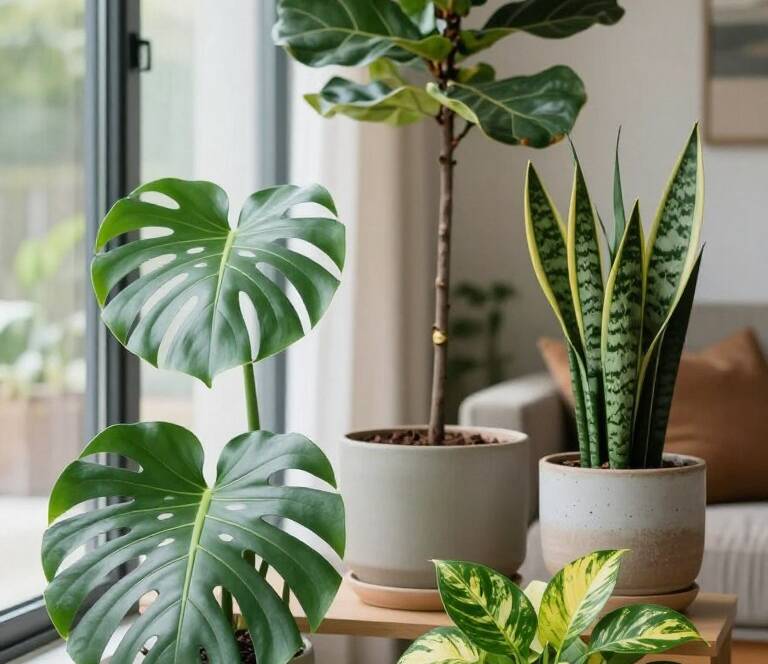
I learned a tough lesson about bringing plants indoors the hard way. My beautiful citrus tree seemed healthy until I discovered spider mites hiding beneath its leaves. Within weeks, these tiny pests spread to my entire indoor garden and destroyed everything.

This experience taught me that proper preparation is crucial. Many garden specimens can harbor more than just insects. You might find frogs, lizards, or worms hiding in the soil.
I now use a comprehensive approach to ensure my plants are clean before their winter move. Timing matters too – start well before frost arrives. This process works for citrus trees, herbs, and tender perennials.
With the right steps, you can keep your favorites thriving through the cold months. Different plants have different needs when transitioning inside. I’ll share my complete step-by-step method to help you succeed.
Key Takeaways
- Proper preparation prevents pest infestations when moving plants inside
- Many plants can carry hidden insects and other small creatures
- Start the transition process well before freezing temperatures arrive
- Different plant types require specific care when moving indoors
- A systematic approach ensures healthy plants throughout winter
- Regular inspection of leaves and soil helps detect problems early
- Correct lighting and watering adjustments are crucial for indoor success
My Essential Preparation Steps for Bringing Outdoor Plants Indoors
After my pest disaster, I developed a systematic approach to plant relocation. Timing proves absolutely critical for success. I begin my preparation several weeks before the first expected frost.
Temperature thresholds guide my decisions. Tender specimens should come inside when nights drop to 50-55°F. Citrus trees can withstand light freezes but need protection during freezing winter nights.
I carefully evaluate which greenery deserves space inside. Some annuals simply aren’t worth the effort. I prioritize based on sentimental value and replacement cost.
My selection criteria includes:
- Plants with emotional significance or high monetary value
- Specimens that would be difficult to replace next year
- Healthy candidates that show strong growth potential
Container gardening presents unique challenges. Potted specimens are more vulnerable to cold. They need to be rated for two zones colder than your area to survive outdoors.
I always trim away dead or unhealthy growth before the move. This reduces pest hiding spots and encourages better form. Leggy growth gets pruned back to promote bushier habits.
Root inspection helps me decide if repotting is necessary. I check for circling roots or poor drainage. Fresh soil can give specimens a healthy start for their indoor season.
Light preparation is equally important. I assess window locations and sometimes add grow lights. Different types have varying light requirements that must be met.
My gradual acclimation process begins with nighttime visits. I bring specimens in during cooler evenings and return them outside mornings. This reduces shock from sudden environmental changes.
My essential supplies checklist includes:
- Fresh potting mix and appropriate containers
- Pruning shears and cleaning tools
- Insecticidal soap for preventive treatment
- Saucers to protect indoor surfaces
- Labels for tracking individual needs
This methodical approach ensures my favorites thrive through the cold months. Proper preparation prevents most problems before they begin.
Thorough Inspection and Cleaning Process
My pest nightmare taught me that careful examination makes all the difference. I now spend quality time with each specimen before its seasonal relocation.
I begin with a detailed visual check of every part. Stems, leaf tops, and undersides all get my attention. I search for tiny webs, sticky honeydew, or chewed foliage.
These signs often reveal unwanted visitors. Spider mites leave fine silk threads. Aphids create shiny residue. Mealybugs look like white cotton patches.

My next step involves a gentle but thorough spray down. I use a hose with medium pressure to wash away dust and bugs. This cleaning reveals hidden problems I might have missed.
Soil soaking comes next. I give each container a deep watering to encourage pests to surface. Many insects will emerge or drown during this process.
Root inspection requires careful handling. I gently remove each plant from its pot to check the root system. Healthy roots appear white and firm rather than brown and mushy.
I look for two common issues during this examination. Root binding shows as circular patterns that need pruning. Root rot appears as dark, soft roots that smell unpleasant.
When I find bound roots, I loosen them gently before replanting. For minor rot issues, I trim affected areas and treat with antifungal solution.
Soil refreshment helps give specimens a nutritional boost. I mix fresh potting mix into the existing soil without full repotting. This method adds nutrients while minimizing transplant shock.
Container cleaning is equally important. I scrub empty pots with soapy water to eliminate pest eggs or fungus. This prevents problems from carrying over to the next growing season.
I document everything I find during this process. Notes help me track which specimens need special care. This record becomes my treatment plan for the winter months.
My documentation includes:
- Specific pest types and locations found
- Root conditions and any necessary treatments
- Soil refreshment dates and mixtures used
- Future care requirements based on findings
This meticulous approach ensures my favorites enter their indoor season in peak condition. Proper cleaning and inspection prevent most winter problems before they start.
Effective Solutions When You Discover Pests
Finding unwanted visitors on your greenery can feel overwhelming. I’ve developed reliable methods to handle these situations effectively.
My go-to solution involves a simple soapy water bath. I fill a tub with lukewarm water and add mild dish soap. Then I gently submerge the entire container for about 15 minutes.
This treatment drowns many soil-dwelling insects. It also cleans dust from foliage. Always support the root ball to prevent damage.

Insecticidal soap works wonders for persistent problems. I follow label instructions carefully and test on a few leaves first. Keep pets away during application and until dry.
Neem oil is another powerful ally. This natural product disrupts pest life cycles. I mix it with water and spray thoroughly on all surfaces.
Flying insects require different tactics. Yellow sticky traps catch whiteflies and fungus gnats effectively. You can make homemade versions with yellow plastic and petroleum jelly.
Isolation is crucial for infected specimens:
- Move affected containers to a separate room
- Maintain distance from other houseplants
- Use dedicated tools for treated specimens
- Monitor for at least two weeks before reintroducing
Some infestations justify difficult decisions. Severely compromised specimens might need composting. This prevents spreading to your entire collection.
Different pests need specific approaches. Spider mites hate moisture – I mist leaves regularly. Aphids respond well to soap sprays or alcohol swabs.
Scale insects require patience. I dab them with rubbing alcohol weekly. Mealybugs get similar treatment with vegetable oil.
Fungus gnats indicate overwatering. I let the top soil dry completely between watering sessions. The potato slice test reveals larvae presence.
When commercial products aren’t available, homemade solutions work. Soap sprays made from pure castile soap are effective. Garlic or pepper sprays deter many insects.
Regular monitoring catches problems early. I check my collection weekly during the winter months. Early detection makes treatment much easier.
Remember that recovery takes time. Most treatments require multiple applications. Be consistent and patient for best results.
Conclusion: Maintaining Healthy Indoor Plants Through Winter
The real work of keeping your green companions thriving begins once they’re settled indoors. I gradually acclimate them to prevent shock from environmental changes.
Proper humidity levels are crucial during dry winter months. I use pebble trays or misting to maintain moisture.
I adjust watering schedules as growth slows in colder temperatures. Less water prevents root rot in containers.
Different types need specific light conditions near windows. Good air circulation prevents fungus and pest problems.
Regular monitoring catches issues early. I resume fertilizing when new growth appears in spring.
This careful approach keeps my favorites healthy until they return outside. Share your own winter gardening tips!