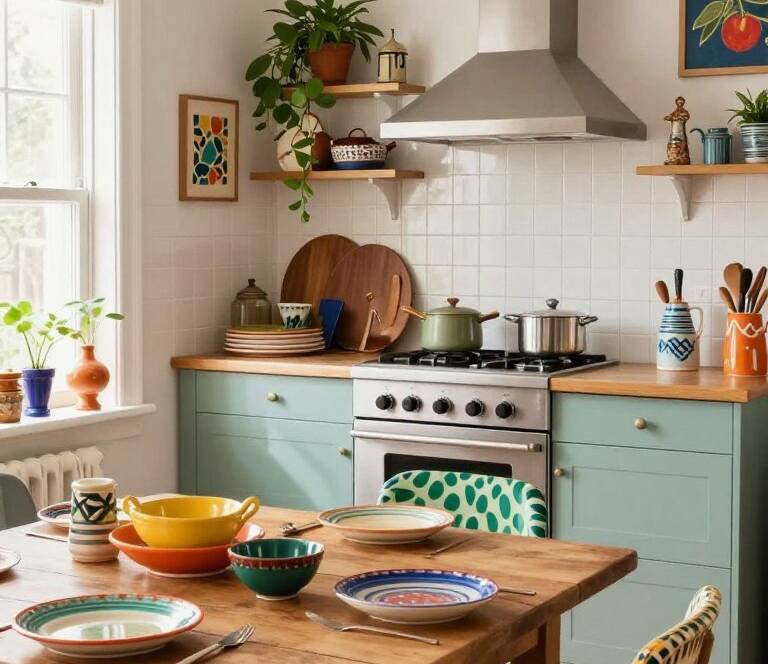
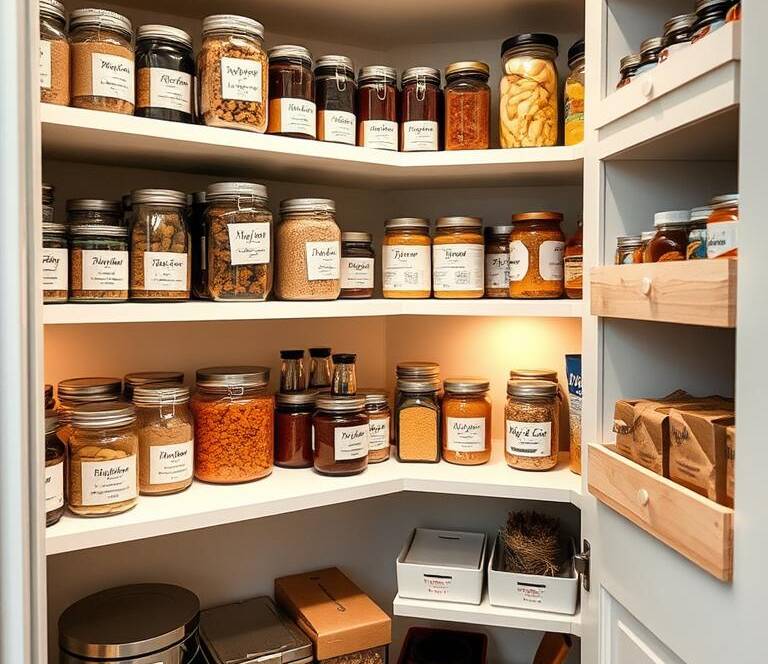
I remember walking into my first earth tone kitchen and feeling an instant sense of calm. The warm hues and natural materials created a space that felt both sophisticated and deeply comforting.

These designs do more than just look beautiful. They bring a sense of balance and tranquility that transforms your cooking area into a sanctuary. The connection to the natural world through earthy tones and textures makes every moment spent here feel peaceful.
Homeowners across the country are embracing this style for its timeless appeal. It blends indoor comfort with outdoor inspiration, creating spaces that feel both grounded and inviting.
Key Takeaways
- Earth-tone kitchens create warm, comforting spaces that reduce stress
- Natural materials and colors help blur the line between indoors and outdoors
- These designs work with various styles from modern to traditional
- They celebrate natural imperfections that add character and authenticity
- The aesthetic promotes relaxation and connection during meal preparation
- Large windows and natural light enhance the inviting atmosphere
- This approach ensures your space remains stylish for years to come
Why Earth Tones Create the Most Inviting Kitchens
Research shows that surrounding ourselves with nature-inspired colors can transform how we experience our living spaces. These hues do more than just look beautiful—they actually affect our brain chemistry and emotional state.
Scientific studies demonstrate that exposure to nature-based colors reduces stress and improves overall well-being. When we incorporate these shades into our homes, we’re tapping into deep psychological responses that make us feel safer and more comfortable.
Different earthy hues create distinct emotional effects. Warm browns and tans evoke coziness and security, like being wrapped in a comfortable blanket. Greens bring vitality and renewal, while soft blues induce calmness and tranquility.
These palettes work with our natural circadian rhythms too. The right combination of color and lighting supports healthy sleep-wake cycles, making your space feel harmonious throughout the day.
What I love most is how earthy designs engage all our senses. The visual warmth of terracotta, the texture of natural stone, and even the sound of rustling plants create a multi-sensory experience. Fresh herbs add delightful scents that enhance the atmosphere.
The timeless appeal of these colors ensures your space remains stylish for years. Unlike trendy colors that come and go, nature-inspired palettes have enduring beauty that never feels dated.
These designs promote mindfulness and presence by connecting us to natural rhythms. Cooking becomes more than just meal preparation—it becomes a meditative practice that grounds us in the moment.
I’ve seen how earth tones can transform sterile, cold spaces into welcoming, heart-centered areas. The combination of color, texture, and natural materials creates environments that feel both sophisticated and nurturing.
The connection to the natural world through these design choices brings a sense of balance that modern life often lacks. It’s about creating a sanctuary where every moment feels peaceful and intentional.
Understanding the Earth Tone Color Palette
Choosing the right color scheme feels like unlocking a secret language of comfort. I’ve found that nature provides the most beautiful inspiration for creating spaces that truly sing.
The complete spectrum ranges from warm soil-inspired browns to cool sky and water blues. Each hue tells a different story and creates a unique mood in your home.

Let me break down my favorite earthy tones and how they work together. These colors create harmony while adding depth and character to any room.
Green tones bring vitality and life to your space. Forest green adds richness, while olive provides subtle sophistication. Moss and sage greens offer calming, organic feels that connect you to the natural world.
Brown shades create warmth and grounding. Chocolate and espresso tones add depth to cabinetry and flooring. Walnut and taupe work beautifully as neutral bases for other elements.
Neutral beiges, tans, and creams serve as perfect backdrops. They allow bolder colors to shine while maintaining balance. Khaki adds a touch of casual elegance that feels both modern and timeless.
Blue tones might surprise you as earthy choices. Slate and dusty blues reflect sky inspiration. Denim and muted teal bring water elements indoors for a serene atmosphere.
Warm terracotta, rust, and burnt orange add Mediterranean richness. These hues create cozy, inviting spaces that feel both exotic and familiar.
Yellow tones like mustard and ochre bring sunshine energy. Goldenrod adds a cheerful touch without overwhelming the senses.
Here’s how these colors work together in practice:
| Color Family | Best Uses | Creates Feeling | Pairs Well With |
|---|---|---|---|
| Greens (Forest, Sage) | Accent walls, cabinetry | Calm, renewal | Natural wood, cream tones |
| Browns (Walnut, Taupe) | Flooring, countertops | Warmth, security | Terracotta, slate blue |
| Blues (Slate, Teal) | Backsplashes, shelving | Serenity, depth | Warm neutrals, brass accents |
| Oranges (Terracotta, Rust) | Island bases, textiles | Energy, richness | Cream colors, natural stone |
| Yellows (Mustard, Ochre) | Accessories, lighting | Joy, warmth | Espresso tones, greenery |
Testing colors in your specific space is crucial. Natural light changes how hues appear throughout the day. I always recommend sampling paints at different times.
Consider your existing elements when choosing colors. Wood tones, stone surfaces, and glass features all interact with your color choices. The right combination brings everything together beautifully.
Don’t be afraid to mix textures with your colors. Rough stone against smooth cabinetry adds interest. Matte finishes alongside glossy surfaces create depth and sophistication.
Remember that these colors work with various styles. From modern minimalism to rustic charm, earthy tones adapt beautifully. They provide flexibility while maintaining cohesion.
The key is finding balance between warm and cool tones. Too much warmth can feel overwhelming. Too many cool tones might lack coziness. The perfect mix creates that inviting atmosphere we all love.
Start with a neutral base and build from there. Add accent colors through accessories and textiles. This approach lets you experiment without commitment.
Most importantly, choose colors that make you happy. Your space should reflect your personality while connecting you to nature’s beauty.
Design Principles for Your Earth Tone Kitchen
Creating an earthy kitchen starts with embracing nature’s imperfect beauty in every detail. I’ve found that the most inviting spaces celebrate natural character rather than perfect uniformity.
The wabi-sabi philosophy forms the heart of this approach. It teaches us to appreciate the beauty in imperfection and authenticity. This means choosing materials that show their natural variations and age gracefully over time.

Balance symmetry with organic asymmetry to create dynamic spaces. Perfect symmetry can feel manufactured and cold. Instead, mix balanced elements with irregular shapes that mimic nature’s patterns.
Incorporate all four natural elements through material choices. Earth appears in clay tiles and natural stone countertops. Air flows through well-placed ventilation and open shelving.
Fire elements include warm lighting and cooking areas. Water shows up in reflective surfaces and flowing layouts. This elemental balance brings sense of completeness to your space.
Biophilic design connects us to the living world. Integrate living plants that purify air and add vitality. Use large windows to frame outdoor views and flood the area with natural light.
Create visual flow by considering scale and proportion. Allow sight lines to guide movement through the space. This harmony makes even small areas feel spacious and inviting.
Work with natural light patterns throughout the day. Morning light differs from afternoon glow. Position work areas to maximize this changing illumination.
Engage all senses for a complete experience. Varied textures add tactile interest to surfaces. Aromatic herbs provide delightful scents near preparation areas.
Consider acoustic elements like wood surfaces that soften sounds. These multi-sensory details create deeper connection to your environment.
Sustainable practices align with earthy principles. Choose locally sourced materials to reduce environmental impact. Energy-efficient appliances support eco-friendly living.
Maintain functionality while embracing natural aesthetics. Durable surfaces withstand daily use while aging beautifully. Practical storage keeps the space organized without sacrificing style.
The right combination creates an atmosphere that feels both sophisticated and nurturing. Your cooking area becomes a sanctuary that celebrates nature’s warmth and authenticity.
Selecting Natural Materials for Authenticity
There’s something magical about running your hand across reclaimed wood that tells stories of generations past. Each scratch and grain pattern carries history that new materials simply cannot replicate.
These natural materials create depth and character that mass-produced options lack. They bring the natural world into your cooking area with authentic beauty.

Let me guide you through my favorite material choices. Each brings unique qualities that enhance both function and aesthetic appeal.
Reclaimed wood remains my top choice for adding soul to any space. I look for pieces with visible history – old barn wood or salvaged beams work beautifully.
For cabinetry and open shelving, consider these sustainable options:
- Bamboo grows rapidly and resists moisture naturally
- Cork provides softness underfoot and handles spills well
- Recycled glass creates stunning backsplashes with eco-friendly benefits
Natural stone options vary greatly in maintenance needs. Granite stands up to heavy use while marble develops a beautiful patina over time.
Limestone offers softer appearance but requires more sealing. Slate provides excellent durability for high-traffic flooring areas.
For textiles, I love natural fibers that add organic texture. Rattan baskets on open shelving keep essentials handy. Linen curtains filter light beautifully.
Jute rugs add warmth underfoot while hemp fabrics bring durability to seating areas.
Terracotta and clay elements introduce Mediterranean charm. Handmade tiles create unique backsplashes that celebrate imperfect beauty.
Metal choices develop character through natural aging. Copper develops rich patinas that change over time. Wrought iron provides sturdy support for shelving and hardware.
Mixing materials creates layered interest throughout the space. Combine smooth stone countertops with textured wood cabinetry.
Pair glossy glass tiles with matte finished flooring. This contrast engages multiple senses simultaneously.
Consider practical maintenance requirements for each material choice. High-use areas need durable surfaces that withstand daily wear.
Food preparation zones require non-porous materials that clean easily. Entertaining spaces can handle more delicate options.
The right combination creates a cohesive story throughout your design. Each material should complement others while serving specific functions.
Always test samples in your actual space before committing. Natural light changes how materials appear throughout the day.
Most importantly, choose materials that speak to your personal style. Your space should reflect your connection to nature’s authentic beauty.
Implementing Your Earth Tone Color Scheme
I discovered my favorite approach to color implementation during a client’s renovation last spring. The transformation showed me how strategic placement creates harmony throughout any cooking area.
Start by measuring your room’s dimensions and light exposure. Smaller spaces benefit from lighter hues that expand visually. Larger areas handle deeper colors without feeling overwhelming.

Assess existing elements before selecting your palette. Fixed features like countertops or flooring influence your choices. Work with these elements rather than against them for cohesive results.
Test paint samples at different times of day. Morning light reveals cool undertones while afternoon sun shows warmth. Evening artificial lighting creates entirely new effects.
Create a color story with three levels of intensity. Choose one dominant shade for large surfaces like walls or cabinetry. Select secondary tones for complementary elements.
Add accent colors through accessories and textiles. This layered approach builds visual interest without commitment.
For cabinetry, consider these beautiful options:
- Light wood finishes with natural grain patterns
- Sage green painted units for organic freshness
- Taupe cabinets that provide neutral sophistication
- Olive green for rich, grounded elegance
Wall treatments set the overall atmosphere. Paint remains the most flexible choice for color experimentation. Nature-inspired wallpapers add pattern and texture.
Backsplashes offer perfect opportunities for personality. Natural stone tiles bring earthy texture to vertical surfaces. Subway tiles in warm hues create classic appeal.
Countertops should complement rather than compete. Butcher block adds wood warmth beside cool stone. Quartz with natural veining mimics geological formations.
Flooring choices establish the foundation of your design. Wide-plank wood brings organic rhythm underfoot. Natural stone tiles offer durability with authentic character.
Terracotta flooring introduces Mediterranean warmth. Cork provides softness and sustainable appeal.
Textiles and accessories complete the transformation. Woven baskets on open shelving add organic texture. Linen curtains filter natural light beautifully.
Ceramic canisters in earthy hues keep essentials handy. Wooden utensils display as functional art pieces.
For existing elements you can’t replace, use transitional solutions. Paint surrounding areas to complement fixed features. Add coordinating accessories that bridge color differences.
Lighting dramatically affects how colors appear throughout the day. Layer ambient, task, and accent illumination. Warm bulbs enhance earthy tones better than cool lighting.
Remember that implementation happens gradually. Start with paint and textiles before committing to larger changes. This approach lets you live with colors before permanent decisions.
The right combination creates that inviting atmosphere we all desire. Your space becomes a sanctuary that celebrates nature’s authentic beauty.
Creating Your Dream Earth Tone Kitchen: Step-by-Step
Transforming your cooking area into a nature-inspired sanctuary feels incredibly rewarding. I’ve helped countless homeowners achieve their dream space through this practical approach.
Let me guide you through each phase of creating your perfect earthy cooking area. We’ll build from vision to reality with careful planning and execution.

Start with inspiration gathering and vision definition. Create mood boards with images that resonate with your personal style. Notice which colors and textures consistently attract your attention.
Consider how you want your space to feel during different times of day. Morning coffee rituals versus evening entertaining require different atmospheres.
Conduct a thorough assessment of your existing area. Measure dimensions carefully and note architectural features. Analyze how natural illumination changes throughout daylight hours.
Large windows significantly impact your color choices. North-facing rooms need warmer hues while south-facing spaces handle cooler tones beautifully.
Select your color palette with intention and personal connection. Choose three to five complementary hues that reflect your personality. Test samples on different walls at various times.
Consider these popular combinations:
- Olive green cabinetry with warm wood accents
- Taupe walls paired with terracotta backsplashes
- Muted teal island base with natural stone countertops
Source materials that bring authenticity and character to your design. Visit local reclaimed wood suppliers for unique pieces. Explore sustainable options like bamboo flooring and recycled glass tiles.
Natural stone offers beautiful variation in countertops and backsplashes. Each slab tells its own geological story through unique patterns.
Implement your layout with functionality and flow in mind. The work triangle between sink, stove, and refrigerator should feel natural. Open shelving keeps essentials accessible while adding visual interest.
Incorporate living elements that enhance your connection to nature. Herb gardens near windows provide fresh ingredients and delightful scents. Living walls bring vibrant greenery into your space.
Select furniture and lighting that complement your natural aesthetic. Live edge countertops showcase wood’s organic beauty. Handcrafted stools add artisanal charm to seating areas.
Woven pendant lights create beautiful illumination patterns. They add texture and warmth while providing functional task lighting.
Curate accessories that tell your personal story. Terracotta pots hold fresh herbs on windowsills. Natural fiber textiles add softness to seating areas.
Artisanal pottery brings handmade character to open shelving. Vintage pieces add history and uniqueness to your design.
Final styling brings everything together cohesively. Layer textures through rugs, curtains, and decorative elements. Add personal touches that make the space truly yours.
Remember that your cooking area should evolve over time. Start with foundational elements and build gradually. This approach allows your space to develop organic character.
The result will be a beautifully functional area that feels both sophisticated and welcoming. You’ll create an environment that celebrates nature’s warmth and authenticity.
Maintaining and Enhancing Your Earthy Atmosphere
Keeping your nature-inspired space looking fresh requires simple routines that honor its organic beauty. I’ve developed a maintenance system that preserves materials while enhancing their natural charm over time.

Proper cleaning protects your investment while maintaining authenticity. Use pH-neutral cleaners for wood surfaces to prevent damage. Natural stone countertops need specific sealants to resist stains.
For sustainable surfaces, choose eco-friendly products. They clean effectively without harming the environment. Your space stays beautiful and responsible.
Indoor plants need consistent care to thrive. Rotate herbs near windows for even growth. Prune regularly to encourage bushier plants.
Seasonal updates keep your design feeling current. Switch textiles to reflect changing moods. Lighter linens work for summer, heavier fabrics for winter.
Here’s my seasonal maintenance checklist:
- Spring: Deep clean all surfaces, refresh herb gardens
- Summer: Rotate to lighter textiles, maximize natural light
- Fall: Add warmer accents, prepare plants for less light
- Winter: Cozy textiles, adjust lighting for shorter days
Preserve natural patinas on copper and wood. These materials develop character with age. Avoid harsh chemicals that strip their unique beauty.
Lighting adjustments enhance seasonal changes. Use warmer bulbs in winter for coziness. Cooler lighting works better during summer months.
Textile rotation maintains visual interest throughout the year. Switch out curtains and rugs seasonally. This simple change refreshes the entire space.
Incorporate new vintage finds gradually. Artisanal pieces add layers of history. They complement existing elements beautifully.
Plant propagation ensures continuous growth. Take cuttings from healthy herbs. Expand your indoor garden without new purchases.
Maintain indoor-outdoor connections through window treatments. Sheer curtains filter light while maintaining views. Keep windows clean for maximum natural illumination.
Seasonal decor elements add festive touches. Natural wreaths or dried arrangements work well. They celebrate seasons without overwhelming the aesthetic.
Regular care preserves your investment. It also deepens your connection to the space. You become more attuned to its changing needs.
These practices ensure your design remains vibrant. The atmosphere stays inviting through all seasons. Your sanctuary continues to evolve beautifully.
Conclusion: Bringing Nature’s Warmth Into Your Home
What truly makes these nature-inspired spaces special is how they transform daily routines into meaningful rituals. They become backdrops for lasting memories where family connections flourish.
I’ve seen how earthy designs reduce stress and enhance well-being. They create an inviting atmosphere that nurtures both body and soul.
Natural materials and earthy tones work together beautifully. Large windows flood the space with natural light. Open shelving displays organic textures that add depth.
Your cooking area evolves into a living space that improves with time. It develops character through use, becoming a true sanctuary.
Begin your journey today. Create a space that reflects your personal connection to the natural world.