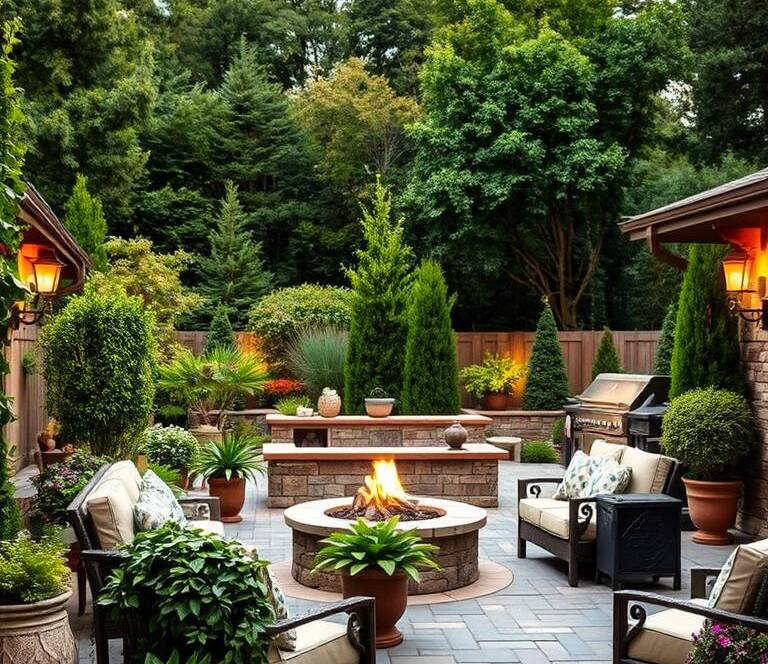
I love watching my garden come alive with buzzing visitors. Creating a space for these vital creatures is easier than you think. A diverse selection of blooms provides essential food for their colonies.

Urban gardens often offer more variety than rural farmlands. This variety helps our fuzzy friends thrive. Planting the right species makes a real difference for all pollinators.
I’ve gathered my top perennial picks that bloom from spring to fall. These plants bring color to your space while supporting local ecosystems. They also invite other beneficial insects to your yard.
Let me share the plants that work best in my own experience. You’ll be amazed how simple changes create a pollinator paradise!
Key Takeaways
- Urban gardens can provide better forage variety than monoculture farmlands
- Bees require both pollen and nectar for a balanced diet
- Supporting diverse pollinators reduces competition for resources
- Proper plant selection benefits both honeybees and native species
- Flowering plants should provide blooms across multiple seasons
- Bee-friendly gardens also attract other beneficial insects
- Simple gardening changes can make significant ecological impacts
Why My Garden Became a Bee Sanctuary
My backyard felt too quiet a few years ago. I noticed the silence during warm afternoons. No buzzing filled the air around my plants.
The absence of these vital workers became obvious. I missed watching them move from bloom to bloom. Their disappearance made me realize something was wrong.
One spring morning, I decided to make a change. I wanted to create a safe space for these essential creatures. My mission began with researching what they needed most.
I discovered that different pollinators require specific plants. Some prefer certain colors while others need particular shapes. This knowledge guided my plant selection process.
My first steps involved choosing native species that thrive in full sun. These varieties provide both nectar and pollen throughout the year. I focused on creating continuous blooms from spring through fall.
The transformation didn’t happen overnight. But one summer day, I spotted the first fuzzy visitor. That moment filled me with incredible joy and hope.
Soon, more buzzing friends arrived in my space. Different types appeared, each with unique preferences. The variety of blossoms attracted diverse species.
Butterflies began visiting regularly too. Their colorful wings added beauty to the vibrant landscape. Other beneficial insects joined the thriving community.
Watching this ecosystem flourish brings me deep satisfaction. My outdoor area now supports countless lives. It has become a reliable food source across seasons.
This personal journey shows that anyone can make a difference. You don’t need extensive space or special skills. Small changes create significant impacts for our essential workers.
| Before Transformation | After Transformation |
|---|---|
| Quiet garden with minimal activity | Buzzing with pollinator activity daily |
| Limited plant variety | Diverse selection of blooming plants |
| Seasonal food scarcity | Year-round food availability |
| Few pollinator species | Multiple species including butterflies |
| Minimal ecological impact | Thriving mini-ecosystem |
Your outdoor space can become a sanctuary too. Start with a few well-chosen plants that love the sun. Watch as nature responds to your thoughtful efforts.
The reward comes in every buzz and flutter. You’ll feel proud supporting these crucial environmental partners. Your contribution matters more than you might realize.
The Importance of Supporting Our Pollinators
Our food system depends on tiny wings working tirelessly across farmlands and gardens. These incredible insects provide services we often take for granted. Their work affects what appears on our dinner tables every day.
Approximately 35% of global food crops require bee pollination to produce fruits, vegetables, and nuts. Without their daily visits, our agricultural system would struggle immensely. This includes favorites like apples, almonds, and blueberries.
Pollinators offer benefits beyond just honey production. They maintain healthy ecosystems through plant reproduction. This biodiversity supports other wildlife and natural balances.
North Carolina alone hosts over 500 native bee species! This diversity includes many types beyond honeybees. Each species has unique preferences and roles.
- Bumblebees excel at pollinating tomatoes
- Mason bees work efficiently in cool weather
- Leafcutter bees help with alfalfa and other crops
- Sweat bees pollinate various wildflowers

The relationship between plants and pollinators is mutually beneficial. Blooms provide essential food sources. In return, insects enable plant reproduction through pollen transfer.
Pollen delivers crucial protein and fats for developing larvae. Nectar supplies carbohydrates for energy during flight. Both components create a balanced diet for colonies.
Habitat loss threatens these vital populations. Urban development reduces natural foraging areas. Pesticide use further challenges their survival.
Home gardens can serve as crucial sanctuaries. Even small spaces provide needed resources. These patches create connected corridors across neighborhoods.
Supporting both honeybees and native species reduces competition. Different pollinators prefer various bloom types. Diversity ensures resources for all.
Pollinators need food throughout the entire year. Early spring blooms help emerging insects. Late fall offerings prepare them for winter.
Every garden truly makes a difference. Your efforts contribute to larger conservation goals. Together we can support these essential workers.
My Favorite Flowers That Attract Bees
Discovering the perfect pollinator plants transformed my outdoor space. I tested dozens of varieties to find the most reliable performers. These selections create a buzzing paradise from early spring through late fall.
Each plant offers unique benefits for our essential workers. Some provide early season nourishment when food remains scarce. Others bloom continuously through the hottest summer months.

I always include both native and well-adapted non-native species. This diversity supports various pollinator preferences and needs. The combination ensures something always blooms in my garden.
Here are my top thirteen performers that never disappoint:
| Plant Name | USDA Zones | Sun Requirements | Soil Needs | Bloom Time | Special Features |
|---|---|---|---|---|---|
| Bee Balm (Monarda) | 3-9 | Partial to Full Sun | Moist, Well-Drained | Spring-Summer | Fragrant, Native |
| Ice Plant (Delosperma) | 5-9 | Full Sun | Sandy, Well-Drained | Summer | Drought Tolerant |
| Primrose (Primula) | 3-8 | Partial Shade | Rich, Moist | Spring | Early Bloomer |
| Honeysuckle (Lonicera) | 4-9 | Partial Sun | Rich, Moist | Spring-Fall | Vining or Shrub |
| Red Valerian | 5-8 | Full Sun/Partial Shade | Loamy, Moist | Summer | Crimson Flowers |
| Sweet Scabious | 3-7 | Full Sun | Rich, Moist | Summer | Honey Scented |
| Yarrow (Achillea) | 3-9 | Full Sun | Well-Drained | Summer | North American Native |
| Anise Hyssop | 4-8 | Full/Partial Sun | Fertile, Well-Drained | Summer-Fall | Licorice Scent |
| Goldenrod | 2-8 | Partial/Full Sun | Dry/Moist | Late Summer-Fall | Late Season Food |
| Black-Eyed Susan | 3-9 | Full Sun | Medium Moisture | Summer-Fall | Drought Tolerant |
| Borage | Annual | Light Shade/Full Sun | Nutrient Rich | Summer | Edible, Cucumber Taste |
| California Poppy | Annual/Zones 8-10 | Full Sun | Sandy | Spring-Summer | Cup-Shaped Flowers |
| Chives (Allium) | 3-9 | Full Sun | Rich, Moist | Spring | Edible, Violet Flowers |
Bee Balm remains my absolute favorite perennial. Its fragrant blossoms draw constant activity throughout summer. The purple pom-poms create a stunning visual display too.
I always caution friends about certain honeysuckle varieties. Some types can become invasive in certain regions. Always check with local nurseries for well-behaved cultivars.
Borage serves double duty in my garden plans. The star-shaped blue blossoms attract numerous pollinators. I also enjoy the edible flowers in summer salads.
Goldenrod deserves special recognition for late season value. It blooms when little else remains available. Contrary to popular belief, it doesn’t cause hay fever.
I source most plants from local native plant nurseries. These establishments offer varieties suited to your specific region. Many also sell online if local options remain limited.
Remember to consider bloom times when planning your space. Stagger plantings to ensure continuous food availability. This approach supports pollinators throughout the entire growing season.
My garden now hosts countless buzzing visitors daily. These reliable performers create a pollinator paradise. Your space can achieve similar results with careful selection.
Creating the Perfect Pollinator Habitat
Building a thriving ecosystem requires more than just pretty blossoms. I learned that creating ideal living conditions makes all the difference. A complete habitat provides everything these essential workers need.
Pollinators require food, water, shelter, and safety. Your outdoor space can offer all these elements. Thoughtful planning creates a sanctuary they’ll return to daily.

Continuous blooms throughout the seasons are crucial. Early spring nourishment helps emerging insects. Late fall offerings prepare them for winter survival.
I plan my garden for three-season interest. Spring bulbs give way to summer perennials. Autumn asters provide final feasts before cold weather.
Grouping identical plants together helps greatly. Pollinators can efficiently gather resources this way. This clustering mimics their natural foraging patterns.
Native species offer exceptional value for local ecosystems. They’ve evolved alongside regional pollinators. These plants often require less maintenance too.
I always include water sources in my design. Shallow dishes with stones work perfectly. The stones provide safe landing spots for drinking.
Shelter areas protect insects from predators and weather. Dense shrubs offer hiding places and nesting sites. Some species need bare ground for burrowing.
Healthy soil supports strong plant growth naturally. I avoid chemical pesticides completely. These substances harm beneficial insects and soil life.
Different colors appeal to various pollinator species. Blue and purple tones particularly draw certain bees. Bright yellows and oranges attract butterflies.
Varied blossom shapes accommodate different feeding methods. Long tubular blooms suit hummingbirds’ extended tongues. Flat, open blossoms provide easy access for many insects.
Garden layout should allow easy movement between plants. Wide pathways let larger insects navigate comfortably. Dense plantings provide wind protection and privacy.
Here’s my checklist for creating an ideal pollinator habitat:
| Habitat Element | Implementation | Beneficial Species |
|---|---|---|
| Seasonal Food Sources | Plant succession of blooming perennials | All pollinators |
| Water Availability | Shallow dish with stones and fresh water | Bees, butterflies |
| Shelter Areas | Dense shrubs, bare ground patches | Native bees, overwintering insects |
| Safe Environment | No pesticides, organic practices | All beneficial insects |
| Native Plants | 70% native species in plant selection | Regional pollinators |
| Color Variety | Blue, purple, yellow, white blossoms | Different pollinator species |
| Blossom Shapes | Tubular, flat, and clustered flowers | Various tongue lengths |
My garden transformation taught me valuable lessons. Small changes create significant impacts for these crucial creatures. Your efforts will reward you with buzzing activity and beautiful blooms.
Remember that every space contributes to larger conservation goals. Even a container garden on a balcony helps. Together we can support these essential environmental partners.
Planting Tips From My Experience
After years of cultivating a bee-friendly space, I’ve discovered what truly works for plant establishment. My journey taught me that proper techniques make all the difference for healthy growth.
Soil preparation remains the most crucial first step. I always amend my garden beds with compost before planting. This creates rich, well-drained soil that supports strong root development.
Most pollinator-friendly varieties thrive in full sun conditions. They need at least six hours of direct sunlight daily. This ensures abundant blooms throughout the growing season.

I learned the hard way about spacing considerations. Always check mature plant sizes before placing them in your garden. Proper spacing prevents overcrowding and disease issues.
Water management varies by plant type and establishment phase. New plantings need consistent moisture until their roots develop. Established perennials often become drought-tolerant over time.
Container gardening solves many challenges with aggressive spreaders. Mint and chives grow beautifully in pots on my patio. This contains their growth while still providing nectar sources.
Seasonal maintenance keeps my garden looking its best. Regular deadheading encourages continuous flowering. I prune strategically to maintain shape and health.
Natural pest control protects all beneficial insects in my space. I use companion planting and manual removal methods. This approach keeps my garden chemical-free and safe.
Converting traditional spaces to pollinator-friendly areas happens gradually. Start with a small section each season. Add native perennials that support local ecosystems.
My early mistakes taught me valuable lessons. I once planted without considering sunlight requirements. Now I always observe light patterns before selecting varieties.
Here’s my proven planting process that delivers results:
- Test soil pH and amend with organic matter
- Choose locations with appropriate sun exposure
- Dig holes twice as wide as root balls
- Water thoroughly after planting
- Apply mulch to conserve moisture
- Monitor new plantings daily for two weeks
These techniques have transformed my garden into a thriving habitat. The buzzing activity confirms that my methods work effectively. Your space can achieve similar success with careful planning.
Remember that every planting decision supports the larger ecosystem. Your choices provide essential food for countless species. This creates a beautiful cycle of life in your own backyard.
Beyond Honey Bees: Supporting All Pollinators
The diversity of pollinators visiting my garden constantly amazes me with their unique behaviors and preferences. While honey bees get most attention, many other species contribute to healthy ecosystems. Each brings special qualities to the pollination process.
North Carolina hosts over 500 native bee species alone. These include bumblebees, mason bees, and sweat bees. Each has distinct nesting habits and food preferences.

Butterflies add beauty while performing essential pollination work. They prefer flat, open blossoms for easy landing. Their long tongues reach nectar in tubular varieties.
Hummingbirds act as daytime pollinators with incredible precision. These tiny birds seek red and orange tubular blossoms. They need perches nearby for resting between feedings.
Moths work the night shift when other pollinators sleep. They visit pale, fragrant blossoms that glow in moonlight. This expands your garden’s productivity around the clock.
Beneficial flies often get overlooked but contribute significantly. Many mimic bees in appearance and behavior. They help pollinate when bee populations decline.
Different pollinators require specific habitat features. Native bees need bare ground or hollow stems for nesting. Butterflies require host plants for their caterpillars.
Creating diverse habitats supports maximum biodiversity. This strengthens your garden’s resilience against pests and diseases. Variety ensures pollination continues if one species struggles.
I’ve observed fascinating behaviors among different pollinator groups. Bumblebees perform buzz pollination on tomatoes. Hummingbirds defend their favorite nectar sources aggressively.
| Pollinator Type | Preferred Blossoms | Special Needs | Active Season |
|---|---|---|---|
| Native Bees | Blue, purple, yellow blooms | Bare ground, nesting boxes | Spring through fall |
| Butterflies | Flat, clustered flowers | Host plants for larvae | Summer months |
| Hummingbirds | Red, orange tubular shapes | Perching spots, water sources | Spring to fall migration |
| Moths | White, night-blooming varieties | Evening fragrance | Summer nights |
| Beneficial Flies | Small, open blossoms | Shelter from wind | Spring through fall |
Plant selection should consider all these wonderful creatures. Include various colors, shapes, and bloom times. This approach supports the greatest number of species.
Native plants particularly benefit local pollinator populations. They evolved together and meet specific nutritional needs. These varieties often thrive with less maintenance too.
I encourage planting for maximum biodiversity in your space. Even small gardens can host numerous pollinator species. Your efforts contribute to healthier local ecosystems.
Observing these different visitors brings me endless joy. Each species plays a vital role in nature’s intricate balance. Supporting them all creates a thriving, resilient garden.
Conclusion: Your Garden Can Make a Difference
My journey creating a pollinator paradise brought incredible joy. Even small spaces support these vital creatures. Your efforts matter more than you realize.
Start with just a few native perennials. These hardy plants provide essential food across seasons. Continuous blooms from spring through fall sustain local populations.
Community efforts multiply individual impacts. Share extra plants with neighbors. Exchange gardening tips to help everyone succeed.
Every garden contributes to conservation. Together we create vital corridors for pollinators. Your space becomes part of something bigger.
Begin your rewarding journey today. Watch life flourish right outside your door. You’ll make a real difference for our essential environmental partners.